
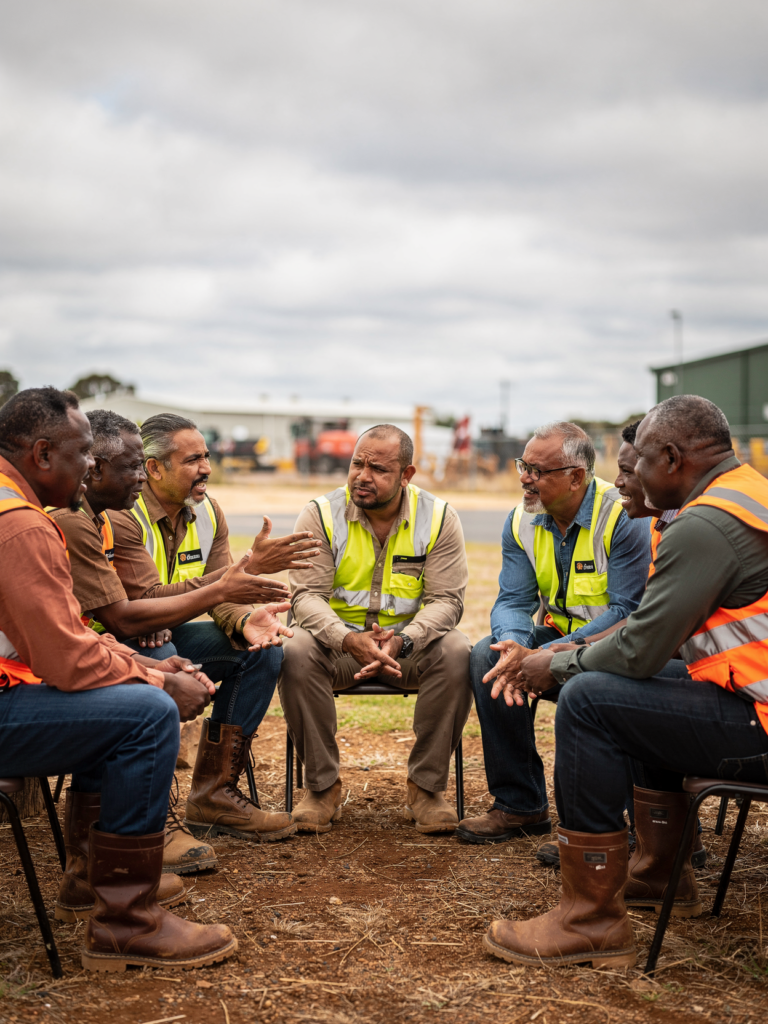
Aboriginal Cultural Heritage Site Induction

Aboriginal Cultural Heritage Site Induction

This short Non-Accredited induction course has been developed specifically for the NSW workforce. It provides clear, practical knowledge of what Aboriginal cultural heritage is, how to identify it, what the law requires, and how to respond appropriately if heritage is encountered during your work.

What you will learn

Aboriginal cultural heritage is an irreplaceable part of Australia’s story — a living legacy stretching back more than 65,000 years. In New South Wales, anyone working on or near land that may contain Aboriginal objects or places carries both a legal obligation and a cultural responsibility to understand, respect, and protect that heritage.

This short Non-Accredited induction course has been developed specifically for the NSW workforce. It provides clear, practical knowledge of what Aboriginal cultural heritage is, how to identify it, what the law requires, and how to respond appropriately if heritage is encountered during your work. Whether you work in construction, utilities, agriculture, land management, surveying, or any other field-based role, this course equips you with the foundational awareness you need before setting foot on site.

Delivered online and designed for all literacy levels, this induction is straightforward, engaging, and directly applicable to everyday work practice. On successful completion, participants receive a Statement of Attendance from ECHAM Training.

  • The cultural significance of Aboriginal heritage and its 65,000-year continuity on Australian Country
  • How to identify Aboriginal objects and places, including stone artefacts, scarred trees, shell middens, rock art, and skeletal remains
  • How to recognise landscapes with potential Aboriginal heritage using landform features and historical context
  • The legal framework protecting Aboriginal cultural heritage in NSW, including the National Parks and Wildlife Act 1974, the due diligence framework, and the penalties that apply for causing harm
  • What “harm” means under NSW law and how to avoid it through responsible planning and site behaviour
  • The correct steps to take if you discover or suspect the presence of Aboriginal objects, including your personal obligations and your employer’s responsibilities


This course was developed by practicing archaeologists and Aboriginal heritage professionals with hands-on expertise in NSW legislation, site identification, and due diligence requirements. The knowledge you gain supports not just legal compliance, but genuine respect for Aboriginal cultures and their connection to Country.


Enrolling a team? We offer bulk pricing for organisations enrolling multiple workers. Please contact us to discuss your needs.

Course Details

  • Cost: $299 per person
  • Duration: Approximately 2 hours
  • Format: Self-paced online — no need to complete in a single sitting
  • Outcome: Statement of Attendance

Typical job roles

  • Construction and civil works — site workers, supervisors, earthmoving and excavation operators, and project managers
  • Utilities and infrastructure — water, gas, electricity, telecommunications, and road maintenance crews
  • Agriculture and land management — farmers, graziers, fencing contractors, and vegetation management workers
  • Environmental and survey — environmental consultants, surveyors, ecologists, and field researchers
  • Mining and resources — exploration teams, site clearing crews, and field technicians
  • Government and local council — rangers, field officers, and planning or compliance staff involved in land-based activities

Who the course is for

This induction is designed for any worker in New South Wales whose role involves activities on land, regardless of trade, industry, or experience level. It is particularly relevant for workers in:

  • Construction and civil works — site workers, supervisors, earthmoving and excavation operators, and project managers
  • Utilities and infrastructure — water, gas, electricity, telecommunications, and road maintenance crews
  • Agriculture and land management — farmers, graziers, fencing contractors, and vegetation management workers
  • Environmental and survey — environmental consultants, surveyors, ecologists, and field researchers
  • Mining and resources — exploration teams, site clearing crews, and field technicians
  • Government and local council — rangers, field officers, and planning or compliance staff involved in land-based activities

Entry Requirements

No prior knowledge of Aboriginal heritage or cultural heritage legislation is required. This is a foundational induction suitable for new starters and experienced workers alike.